
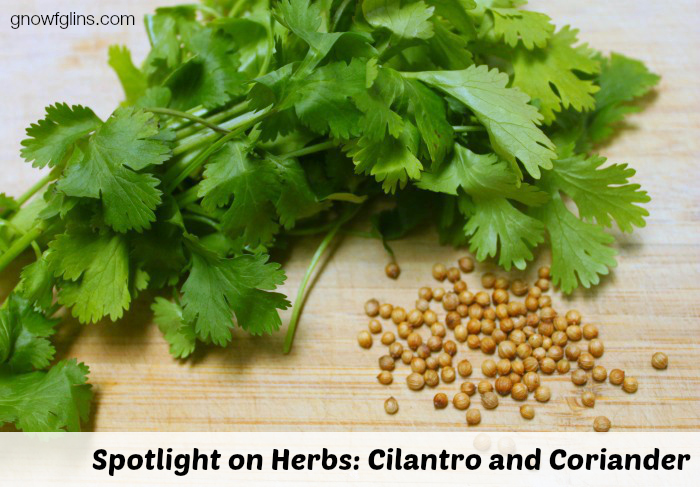
Cilantro has quickly become one of my favorite garden plants. It is incredibly easy to grow, and its beautiful leaves add a fresh burst of flavor to so many summertime dishes. Add its many health benefits and medicinal properties to the mix, and it’s no wonder I grow this plant several of my gardens! 😉
This is the fifth post in our Spotlight on Herbs series.
Is it Cilantro or Coriander?
Actually, it’s both! In culinary circles, the leaves of the coriander plant are referred to as cilantro. The seeds are the coriander spice we know and love. Although only a few varieties have the broad leaves so favored for use in the kitchen, all cilantro is a part of Coriandrum sativum.
Growing Cilantro
In my experience, cilantro is an incredibly easy plant to grow. The seeds can be sowed directly in the garden at any time after the last frost. It loves sun, but will grow in shade. It also grows quickly, sending up leaves ready for harvest in only a few weeks. And at the end of its life cycle, it reseeds by itself. Once you start it, your cilantro patch will grow quite quickly on its own.
A word of caution, though: cilantro is quick to bolt in the summer heat. Once it bolts, the leaves thin out, turn bitter, and are no longer good for eating. Not all is lost, though, since it will soon burst out in edible white flowers and then produce the yummy coriander seeds. To keep a continuous supply of greens, I plant cilantro every few weeks all summer long. If you live in the south, you may want to consider growing cilantro in the spring and fall, since heat does effect both the growth and taste of the leaves. There are also varieties, such as Santo Cilantro (which I grow in my garden), that are less susceptible to bolting.
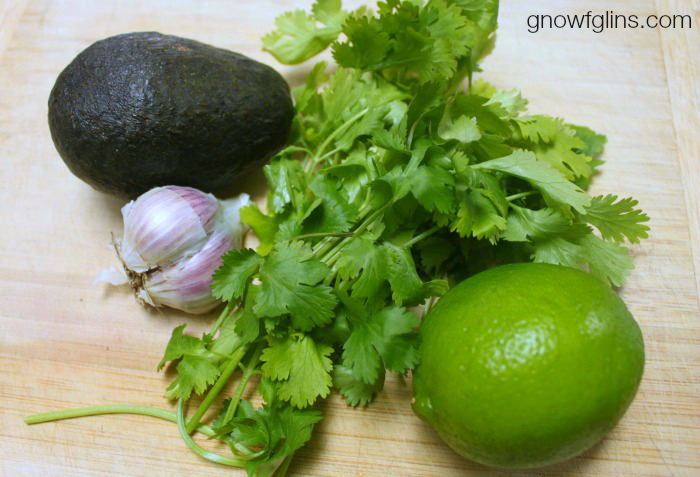
Culinary Uses for Cilantro
- chop and add to homemade salsa, pico de gallo, and guacamole
- mix into salads and vegetable dishes
- use to garnish spicy soups and chillis
- mix with other herbs in pesto
- blend with garlic, ginger, lime, jalapeño, and coconut milk for a wonderful fresh-tasting sauce
- pair with chicken and fish
- add a little zip to tacos, nachos, and quesadillas
- throw a few leaves into your smoothie for the health benefits
Some people loathe the taste of cilantro. If you are one of these, you are not alone! The chemical make-up of the plant does produce flavours that are described as “soapy” by some people. My husband does not appreciate the flavour, but doesn’t mind it when paired with other strong flavours, or when subdued in a coconut milk sauce. I personally love the flavour and couldn’t imagine making salsa or guacamole without it!
Medicinal Uses and Benefits of Coriander
- removes heavy metals from the body (the most well-known use of coriander)
- aids in digestion, prevents flatulence, and helps the intestine to produce necessary enzymes
- can protect against food-borne illness such as salmonella
- lowers blood-sugar and may benefit those with diabetes
- antioxidant
- antiseptic and anti-fungal
- anti-inflammatory
- may be helpful in lowering LDL cholesterol and raising HDL cholesterol
- full of nutrients including iron, fiber, magnesium, flavonoids, and phytonutrients
Do you grow cilantro in your garden? What are your favorite ways to use it?
We only recommend products and services we wholeheartedly endorse. This post may contain special links through which we earn a small commission if you make a purchase (though your price is the same).


I grow it and use it like crazy in leaf form. If I have a lot I wrap it in a paper towel and put it into a freezer bag for later use. Just hate the part about harvesting all those little seed pods after I’ve hung it out to dry at the end of the season. I usually wind up binding it all together and putting it into a Heafty kitchen bag where it hands by it’s handles waiting for that “miracle” to occur and I finally get it all cleaned and stored away.
Meant to say “hangs by it’s handles”.
Great tip for seed collecting! Thank you for sharing!
I enjoy using the leaves. I usually buy transplants and set them out in the spring but our summer heat usually comes on pretty suddenly and it will bolt before it really gets going. It is frustrating to me not to have fresh cilantro for salsa when my tomatoes are ripe. Usually I just rip it out and replace it with something else but I’ve decided this year to just let it go to seed. We’ll see how it goes. Maybe I’ll get some more in the fall.
I plant the seed as early as I can in the spring, and then re-seed constantly as they are quick to bolt, especially in the summer months. You could also try growing it in part-shade to help slow down the bolting. Good luck!
This is my first time to grow cilantro. I planted one in the herb garden and another in a pot. The pot grew quickly and beautifully but the garden plant had to much rain to fast. Now it’s shooting up to seed. I’m with Jenny, I want cilantro when my tomatoes are ready!
The trick to having cilantro when your tomatoes are ready is to re-seed or re-plant later in the growing season. Depending on the variety, it can take as little as six weeks for the plants to reach maturity, and the leaves can usually be harvested long before then. Slow-bolting varieties may also help. Of course, I live in a cooler region of the world, and although it gets hot here in the summer, I do not have experience with extreme heat. If that is the case, spring and fall may be your best harvest times. If it makes you feel any better, although I can enjoy my cilantro with my tomatoes, I do not usually see a ripe tomato until September. There are pros and cons to all growing regions!
I sowed Cilantro in october in my greenhouse, and have had a long harvest all through winter. Now it blossums and I’m determinant to take seeds and redo the procces ;o)
How wonderful it must have been to have fresh cilantro all winter long!
When my cilantro goes to seed I eat the green seeds (before they turn brown) while working in the garden. They’re not to everyone’s liking, but I relish the unique flavor and know they are healthy for me. I have also used the green seeds in salsas, sauces, and various homemade condiments.