
• Skip to primary navigation
  • Skip to main content
  • Skip to primary sidebar

Traditional Cooking School by GNOWFGLINS

Dish up the simple joy of healthy, down-home foods your family will LOVE… tonight.

Join 12,000+ families served since 2010!

  • Join Now
  • About
    • About Wardee & TCS
    • Our Team
    • FAQs & Help
    • Contact
  • Recipes
  • Blog
    • Recipes
    • Archives
  • Podcast
    • #AskWardee
    • Know Your Food with Wardee (retired)
  • Shop
    • Bible-Based Cooking Program
    • Print Textbooks
    • eBooks & eCourses
    • Recommended Tools & Supplies
    • More Books We Love
    • Complete Idiot’s Guide To Fermenting Foods
      • Errata
  • Login
You are here: Home » Food Preparation » Debunking 4 Sourdough Myths (& How To Overcome Them)

Start your own sourdough starter in just 5 minutes... using 2 ingredients you already have! Balance your blood sugar, fix your digestion, save money over store-bought, and bless your family... by making real sourdough bread at home the way God designed. Click here for free instructions +no-knead sourdough bread recipe.

Debunking 4 Sourdough Myths (& How To Overcome Them)

We only recommend products and services we wholeheartedly endorse. This post may contain special links through which we earn a small commission if you make a purchase (though your price is the same).

Photo collage of a sliced sourdough sandwich loaf, and a smiling woman in her kitchen holding up a jar of sourdough starter. Text overlay says: "Debunking 4 Sourdough Myths (& how to overcome them!)"
Jar of sourdough starter on a scale. Text overlay says: "Sourdough Myths Debunked (&how to overcome them!)"
Photo collage of sourdough bread and two 1-cup measuring cups of flour. Text overlay says: "Debunking 4 Sourdough Myths (wasting flour, too much starter, too much work...)"
Photo collage of a jar of sourdough starter on a scale, a measuring cup full of flour, sourdough bread, and a woman in her kitchen holding up a jar of sourdough starter. Text overlay says: "Sourdough Myths Debunked (wasting flour, too much starter, too much work...)"
Smiling woman in her kitchen holding up a jar of sourdough starter. Text overlay says: "Debunking 4 Sourdough Myths (& how to overcome them!)"
Print Friendly, PDF & Email

Are you on the fence about sourdough? Do you wonder if it’s too hard or time-consuming for you? In this post I’m debunking four of the most common sourdough myths… and helping you overcome them!
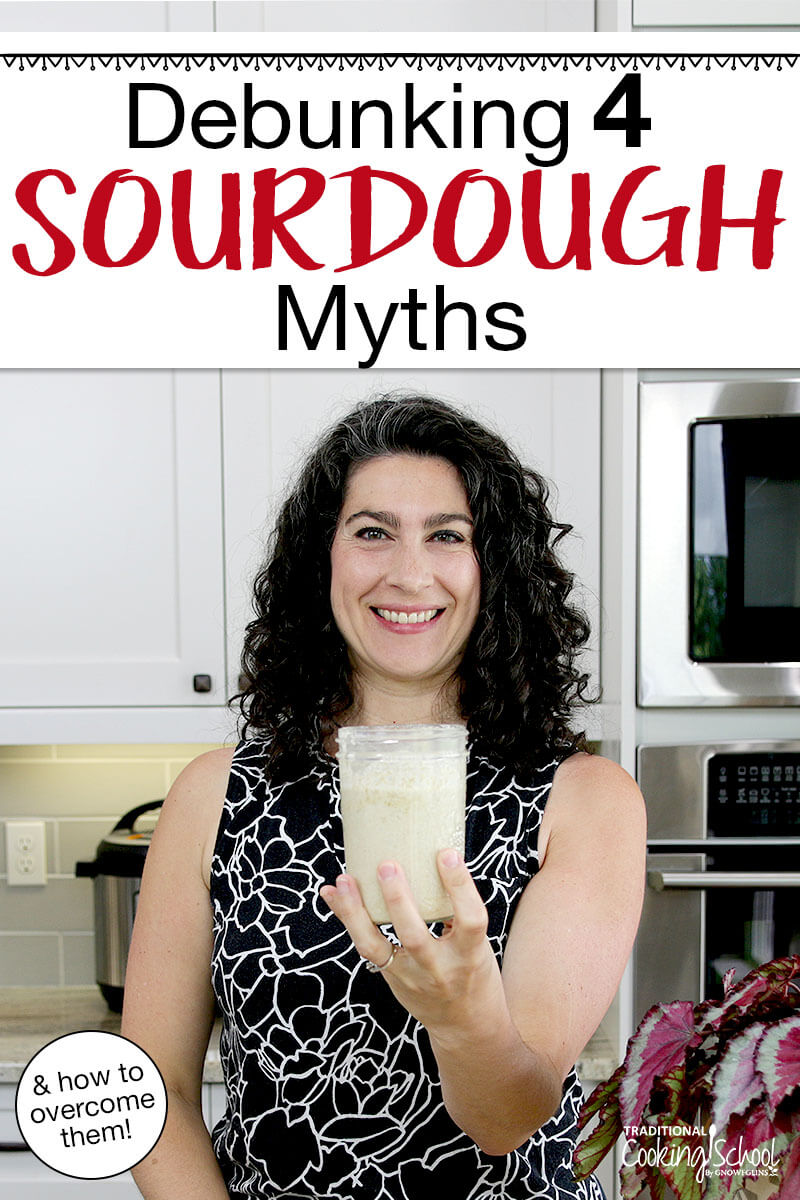
Smiling woman in her kitchen holding up a jar of sourdough starter. Text overlay says: "Debunking 4 Sourdough Myths (& how to overcome them!)"


I’ve heard a lot of “reasons” why people delay or decide not to jump in with sourdough. Some or all of them strike me less as reasons … and more like false information or myths. Or even excuses that are really hiding something else… like fear of failure, lack of confidence, fear one’s family won’t like it, etc.

So I thought I’d share some of the “reasons” people give for not getting going with sourdough, then share my thoughts!

Table Of Contents

  • Debunking Sourdough Myths
    • Myth 1 — “I don’t want to waste flour when making a starter.”
    • Myth 2 — “I’ve tried before, it didn’t work, and I don’t want to fail again.”
    • Myth 3 — “I have to feed the starter every day and I don’t have time for that.”
    • Myth 4 — “If I start doing sourdough, I’ll accumulate gobs of starter from feeding it regularly. Since I don’t bake all that much, I can’t possibly keep up.”
  • Where to Go From Here

Debunking Sourdough Myths

Here are four myths that sadly deter people from jumping in with sourdough!
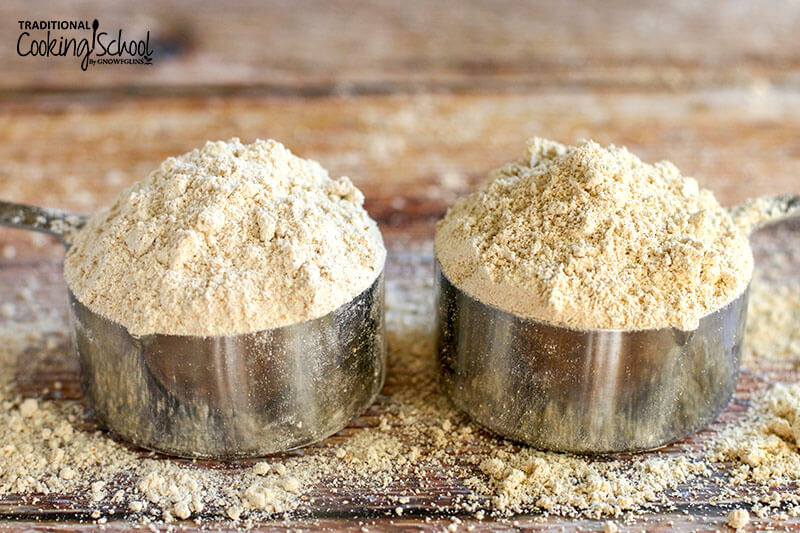
Two heaping 1-cup measuring cups of flour.

Myth 1 — “I don’t want to waste flour when making a starter.”

Yes, when making a sourdough starter, you have to discard half of it each time you feed it for the first 3 to 5 days. At first glance, this seems like a big waste!

But… this “discard” is just for the first 3 to 5 days when making a sourdough starter from scratch.

And while you do remove it from the starter, you don’t actually have to waste it or throw it away. You can save it up and use it in your baking (adding it to pancake batter is what most people do). It’s not active, mature sourdough starter yet that (it won’t leaven bread or make the rest of the flour in a recipe more digestible), but it is just flour and water. 🙂 Or, you can feed it to chickens or other animals. You can even compost it.

Discarding half its volume for the first few days while making a new sourdough starter is actually the LEAST wasteful way to make a sourdough starter, and quite necessary to make a strong starter. And, you don’t have to waste the flour at all… just use it up in something else!

Then, after the first 3 to 5 days, the starter is considered active. Anything you remove from the starter goes in your recipes… like these 15+ sourdough discard recipes!

Conclusion: FALSE
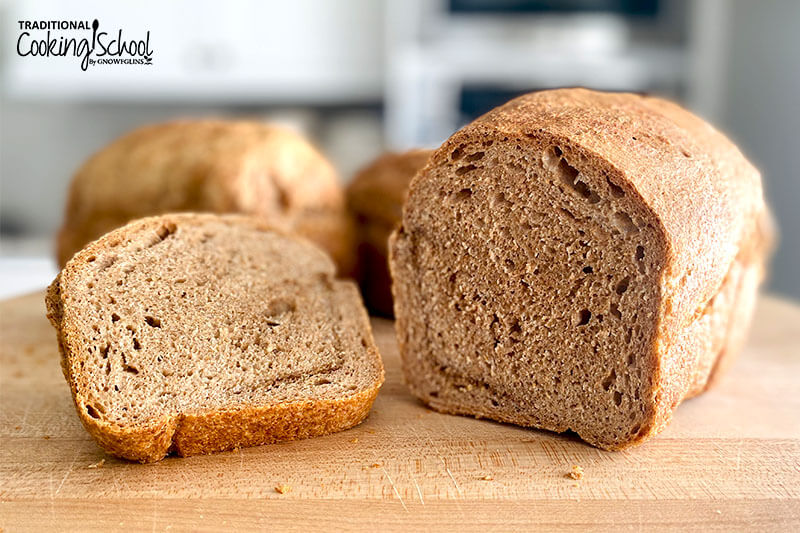
Sourdough sandwich loaf sliced and on a cutting board to reveal the crumb.

Myth 2 — “I’ve tried before, it didn’t work, and I don’t want to fail again.”

I get this. I’ve made starters that failed. I’ve made bread that failed. But guess what? Who among us hasn’t failed from time to time?

The question is: Do you give up or do you try again? You will succeed only if you try again!

And if you believe that sourdough is healthier (it is) and that homemade will save you money over store-bought versions (it will)… why let a little hiccup derail your whole journey?

In my opinion, the true failure is in not trying again… rather than the bumps along the road.

Conclusion: It’s worth pushing through!

If you’d like help getting going with (or getting back into) sourdough, click here for my easy instructions (free download)! Plus, feel free to peruse our archives!

  • How To Make A Sourdough Starter (FAQs, care tips, recipes & more!)
  • Why Won’t My Sourdough Bread Rise? How To Know When Your Starter Is Strong Enough For Bread-Baking
  • Does Sourdough Bread Get Moldy? +Troubleshooting Dense Sourdough Bread #AskWardee 110
  • Is Aged Flour *Really* Better For Sourdough? #AskWardee 122
  • The Best & Healthiest Flours For Sourdough #AskWardee 065
  • How To Transition A Sourdough Starter To Einkorn #AskWardee 069
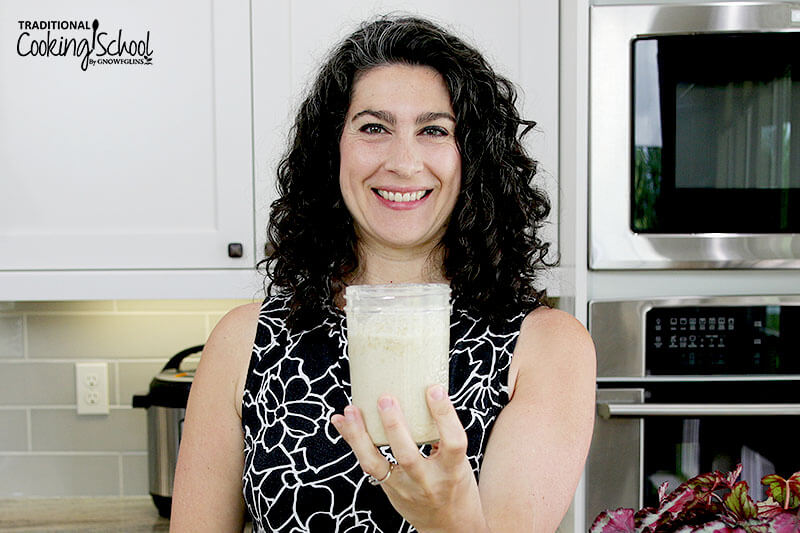
Smiling woman in her kitchen holding up a jar of sourdough starter.

Myth 3 — “I have to feed the starter every day and I don’t have time for that.”

Here we’re talking about when the sourdough starter is established. And actually… you do NOT have to feed it every day!

There are multiple ways to care for a sourdough starter… one of which is to keep it in the fridge for days to weeks at a time, bringing it out and feeding it only when you want to bake with it.

Personally, this is what I do most often. I use my starter about weekly. And in between baking days, I keep it in the fridge, happy and content. Nothing needed from me. If you would like to read more about sourdough routines (daily or weekly), I go into more detail in this post.

So… you don’t have to feed it every day. Sourdough doesn’t have to be time-consuming!

Conclusion: FALSE
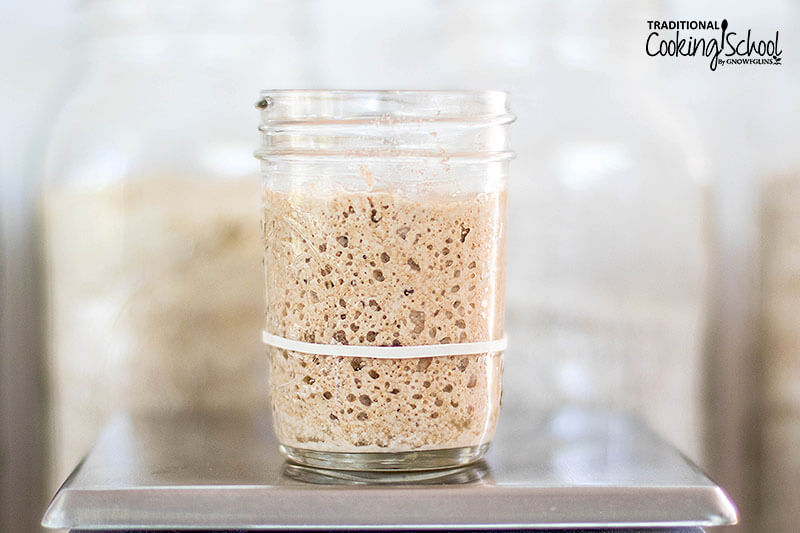
Small jar of sourdough starter on a scale.

Myth 4 — “If I start doing sourdough, I’ll accumulate gobs of starter from feeding it regularly. Since I don’t bake all that much, I can’t possibly keep up.”

Not only can you store your starter in fridge while not in use (therefore not accumulating ANY extra starter during this time)…

…when you do keep your sourdough starter out at room temperature and give it regular twice daily feedings, you can adjust the size and timing of the feedings so you have just the right amount of starter for whatever baking you do.

In other words, whether you bake a lot or little, you NEVER have to accumulate more starter than you can use. Here’s how I feed my starter “maintenance amounts” so I never have too much, but always have enough!

Conclusion: FALSE

Where to Go From Here

  • Sourdough Tips, Troubleshooting & Frequently Asked Questions (KYF092, 167)
  • Can I Feed My Sourdough Starter Different Flours? #AskWardee 021
  • Can I Use Reverse Osmosis Water For Fermenting, Culturing, & Sourdough? #AskWardee 138
  • How To Make A Sourdough Starter (free downloadable training)
  • Sourdough recipe archives here at TCS

If you’d like my easy instructions for starting a sourdough starter, click this link and I’ll get you going in 5 minutes a day for 5 days… using ingredients you already have… even if you’ve failed before… and without babying it, worrying about it, or being a slave to it. You’ve got this!

We only recommend products and services we wholeheartedly endorse. This post may contain special links through which we earn a small commission if you make a purchase (though your price is the same).


Posted in: Fermenting & Culturing Food Preparation Sourdough

About Wardee Harmon

Wardee lives in the Boise area of Idaho with her dear family. She's the lead teacher and founder of the Eat God's Way online cooking program as well as the author of Fermenting, Sourdough A to Z, and other traditional cooking books. Eat God's Way helps families get healthier and happier using cooking methods and ingredients from Bible Times like sourdough, culturing, and ancient grains.

Reader Interactions

Comments

  1. Heidi says

    April 15, 2024 at 9:52 am

    Thank you for creating this content and for sharing this valuable information.

    Blessings.

    Reply
  2. Julie Groenendaal says

    March 26, 2026 at 9:16 pm

    I’m finding so much helpful information through your sourdough ebook and TCS website. I’m one week in on my sourdough starter. I’m still getting the hang of the quantity I feed and managing my overall starter size. Now that I have an active, established starter, I know the discard can be used in baking. Today I removed about a cup of discard to get my starter down to a smaller size but I am not able to bake anything for a few days. I see you have a nice variety of discard recipes. I actually made some muffins today and they came out great. My question pertains to holding onto discard for future baking (few days out) and how to handle that discard. Do I just throw it into muffins (for example) and adjust my flour/water amounts? Do I still do the ferment part of letting my batter sit for 7-8 hours or is that no longer an option since my discard has been in the fridge for a few days? Just need some help in how to use discard that I’m “collecting” for a few days…

    Reply
    • Dawn - TCS Customer Success Team says

      March 27, 2026 at 5:00 pm

      Hi Julie. So glad you are enjoying our site!! After your starter is established you do not need to continue to discard. If you are not using it and just accumulating too much starter, you can put it into the fridge. Currently, my established starter lives in the fridge and is only brought out every two weeks to warm up, feed, use, and then feed again, and return to the fridge. If you use the “discard” in muffins, it will benefit you more to do the souring for 7-8 hours. This will help to break down the harder to digest parts of the flour and make the muffins healthier for you. Congratulations on making a healthy mature starter!! That is amazing!!! Blessings! 🙂 ~Dawn, Customer Success Team

      Reply

Leave a Reply Cancel reply

Your email address will not be published. Required fields are marked *

Primary Sidebar

Hi and Welcome!

I’m Wardee Harmon and I help Christian families who know they should eat healthy but are tired of complicated, time-consuming, weird-tasting, and unsustainable “healthy” diets…

…who want to look and feel better, save time and money, and have more energy for enjoying family life and serving Him fully!… like I was. Click here for more…

Recently on the Blog

  • VitaClay Nourishing Pot Review +Apple-Blueberry “Cream of Wheat”
  • Fizzy Apple Cider Switchel (VAD)
  • How to Make Healthy Cookies #AskWardee 006
  • Bean and Barley Soup (Instant Pot, Stove Top)
  • Soaked Spelt Banana Bread (VAD)
  • Ancient Grains 101
  • How to Heal Digestive Issues Naturally (Leaky Gut, SIBO, IBS, Celiac & more)
  • How To Meal Plan In 4 Easy Steps (KYF103)
  • Debunking 4 Sourdough Myths (& How To Overcome Them)
  • How To Use A Pressure Cooker 101

Recently Commented

  • Marie on Lemon Chicken Soup With Spring Veggies & Foraged Herbs (Paleo, Whole30)
  • Marie on Easy Keto Chicken Cordon Bleu Casserole {THM:S, too!}
  • Sarah on How To Care For Wood Cutting Boards & Utensils… The Healthy Way! #AskWardee 068
  • Beverly on How To Make An Alcohol-Free Herbal Extract {Herbal Glycerite}
  • Sherri on Creamy Herbed Salad Dressing (THM:S, Egg-Free, No Mayo!)
  • Dawn - TCS Customer Success Team on Keto Lemon Poppyseed Bundt Cake {grain-free, dairy-free, THM:S}
  • Jennifer on Keto Lemon Poppyseed Bundt Cake {grain-free, dairy-free, THM:S}

We are a participant in the Amazon Services LLC Associates Program, an affiliate advertising program designed to provide a means for us to earn fees by linking to Amazon.com and affiliated sites.

Before Footer

g-NOWF-glinz

…are what we eat! God’s Natural, Organic, Whole Foods, Grown Locally, In Season.

We love working with other Christian families who love good food and want to eat according to God’s design…

Not only because we believe it’s the healthiest way, but because we want to give Him glory for creating good food as the best medicine!

Learn more about GNOWFGLINS here…

https://www.youtube.com/watch?v=IOcH27DM1dI

Eat God’s Way

Our Eat God’s Way cooking program is for Christian families who want to balance blood sugar and hormones, get off or reduce medications, fix digestion and allergies, get their energy back, and more…

…without giving up their favorite foods, having to choke down “healthy” fad diet foods, or blow up the food budget.

Join 12,000+ families served since 2010! Learn more here…

Copyright © 2026 Traditional Cooking School by GNOWFGLINS • About • Help • Privacy • Partners